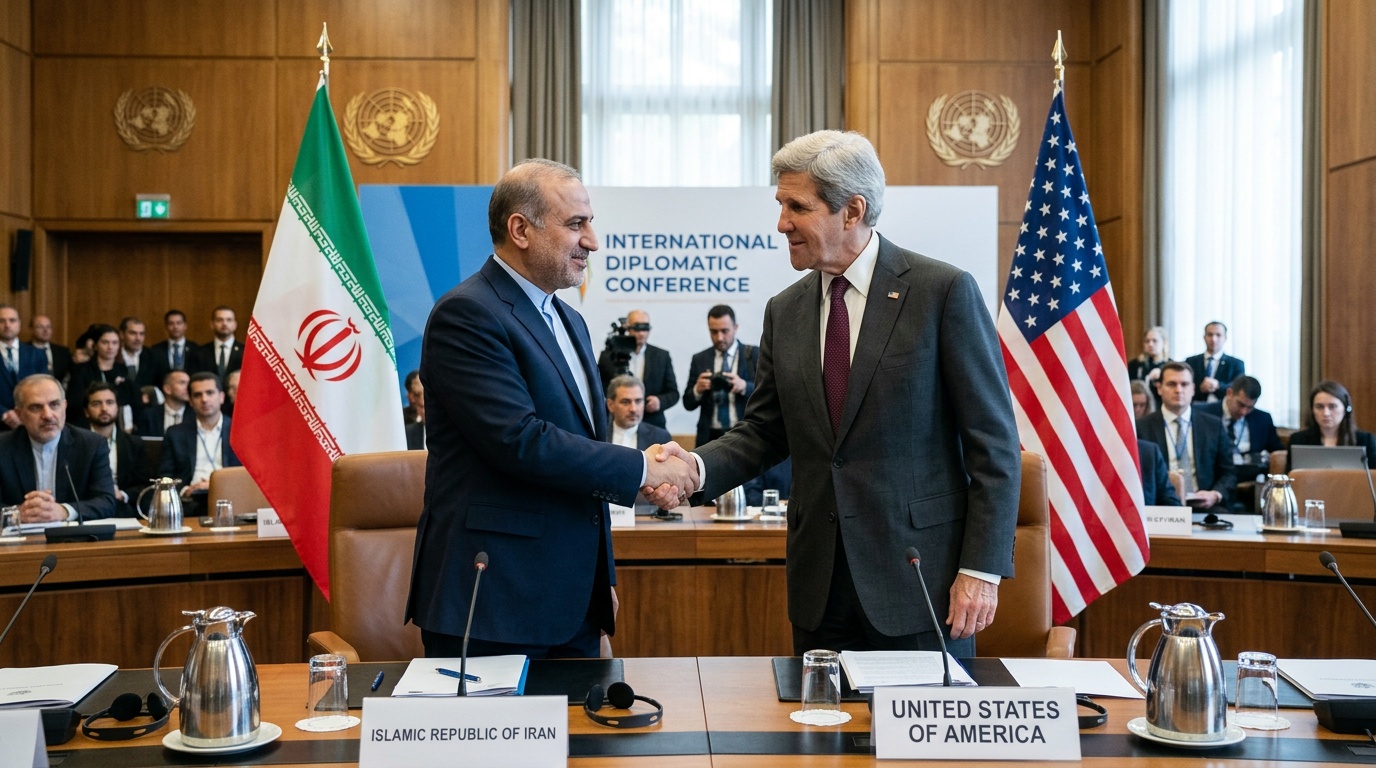
Iran’s head coach and captain Mehdi Taremi publicly criticised the United States and FIFA over visa denials and logistical obstacles placed on the team ahead of their World Cup 2026 opener against New Zealand — even as Washington and Tehran signed a historic peace deal.
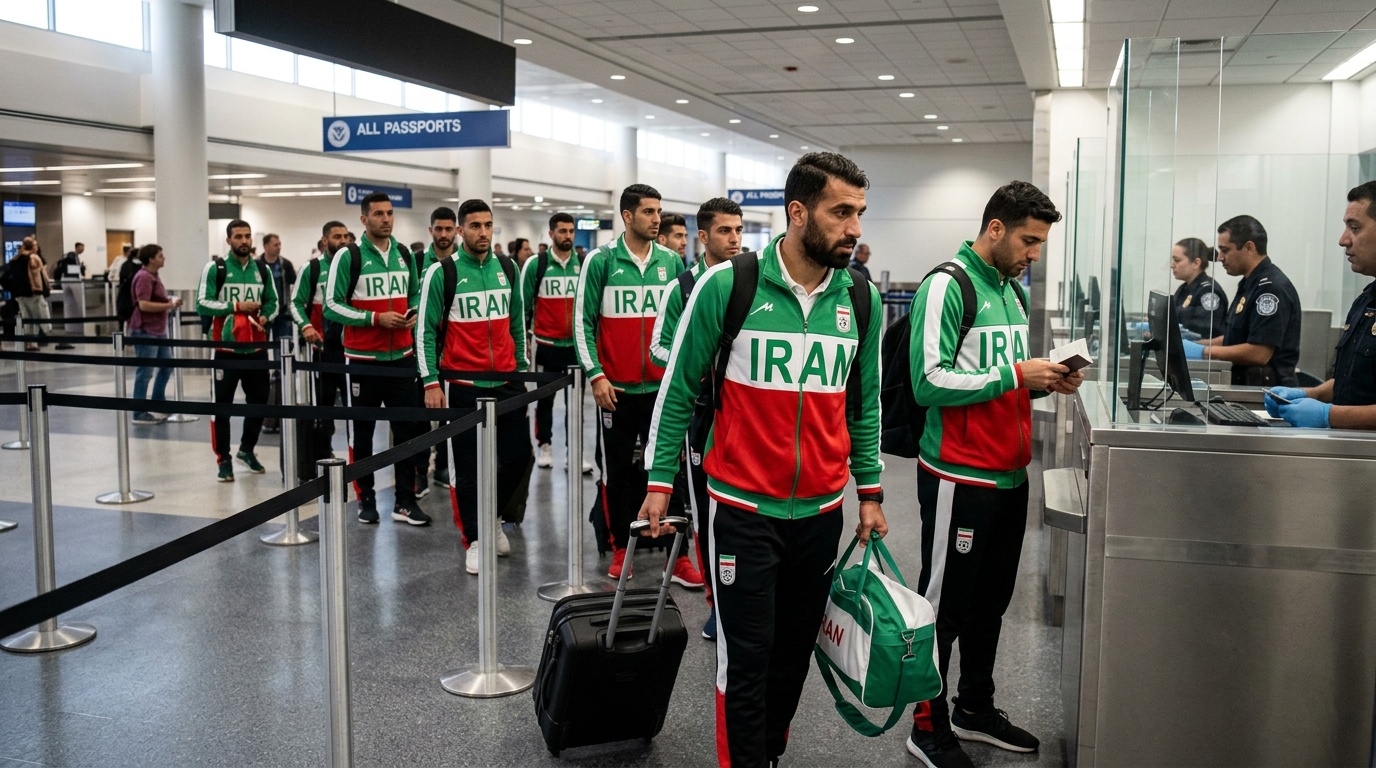
Los Angeles — On the same day the United States and Iran announced a landmark peace agreement, the Iranian national football team touched down in Los Angeles for their FIFA World Cup 2026 Group G opener against New Zealand — and the team’s head coach and captain wasted no time in expressing their frustration at the treatment they had received from the host nation.
Speaking at a pre-match press conference at SoFi Stadium, Iran head coach Amir Ghalenoei and captain Mehdi Taremi both publicly condemned the US government’s handling of Iranian visas and the logistical obstacles placed on the team — including the forced relocation of the team’s base camp to Tijuana, Mexico, just weeks before the tournament began.
The team arrived approximately 20 minutes late to the press conference. “It wasn’t our fault,” Taremi told reporters, without elaborating on the specific cause of the delay.
Visa Denials and a Five-Hour Journey
The controversy began weeks before the tournament when the United States refused to issue visas to several members of Iran’s support and technical staff. Two members of the team’s media relations group were denied US visas, meaning they could not travel with the squad to Los Angeles for the opening match.
Iran’s travelling party had already been forced to base themselves in Tijuana, Mexico — just across the US border from San Diego — after the US declined to host their training camp on American soil. The decision meant the squad faced a lengthy cross-border commute for each of their three group-stage games, all of which are being played in the United States.
Taremi revealed that the journey from Tijuana to SoFi Stadium took approximately five hours — including a very short flight. “Of course that impacts us,” Ghalenoei said at the press conference. “This kind of behaviour will negatively impact the spirit of football.”
The coach added: “Usually in these tournaments, before technical matters, ethical and human considerations must be respected — which I think for us was not the case.” Ghalenoei had initially raised the alarm upon landing in Tijuana the previous week, saying the team should have arrived much earlier to acclimatise to the time difference. “A 12-hour time difference needs two weeks of adjusting,” he said at the time.
Taremi: ‘The Usual Joy Is Dampened’
Captain Mehdi Taremi, who will lead Iran’s attack wearing the captain’s armband, said that the diplomatic tensions surrounding the team’s visit had taken some of the shine off what should be a celebratory occasion for Iranian football fans worldwide.
“The World Cup usually brings a special kind of joy to people,” Taremi said. “But the way things have been handled — the visa problems, the base camp situation — it undermines that joy. It’s difficult to fully enjoy the tournament atmosphere when you’re dealing with these issues.”
Taremi also raised criticism of FIFA specifically, suggesting the global football governing body had failed to adequately protect Iran’s interests as a participating nation. He called on FIFA president Gianni Infantino to intervene and ensure that all teams — regardless of their government’s diplomatic relationship with the host country — receive equal and fair treatment.
Iran reportedly passed through US customs without major incident on their arrival day, but the cumulative impact of weeks of bureaucratic obstacles clearly weighed heavily on the squad’s morale heading into their tournament opener.
The Political Backdrop: Peace Deal Signed, Tensions Remain
The timing of Iran’s arrival could not have been more politically charged. On the very same day the squad landed in Los Angeles, the US and Iranian governments announced a memorandum of understanding ending weeks of military hostilities between the two nations. Yet the scenes at SoFi Stadium told a different story — one of deep-rooted tensions that a diplomatic piece of paper has not yet resolved.
Security was visibly heightened around the Iran team’s hotel in Los Angeles, with police blocking off sections of surrounding streets and extending barriers outside the premises. Iranian supporters, who had also faced difficulties obtaining match tickets according to team officials, gathered in smaller numbers than might otherwise have been expected.
Iran’s situation is not unique at this tournament. A Guardian investigation found that World Cup 2026 visa issues have affected several other delegations, including referees and officials from countries with complex diplomatic relationships with the United States. Somali referee Omar Artan was among those reportedly denied entry, highlighting what critics describe as a politicisation of the tournament by the host nation.
Iran at World Cup 2026: What to Expect on the Pitch
Despite the off-field turmoil, Iran head coach Ghalenoei has insisted his squad is capable of achieving something special at this tournament. Iran has been drawn in Group G, alongside New Zealand, and two other opponents, with all their games to be played at venues across the United States.
Taremi remains the undisputed talisman of Team Melli. The Inter Milan striker, wearing the captain’s armband in the absence of other senior figures, brings Champions League pedigree and international experience to a squad that has navigated enormous off-field challenges in the build-up to the tournament.
Notably absent from the squad is star forward Sardar Azmoun, a divisive figure in Iran after photographs emerged of him with the ruler of the United Arab Emirates — a country that openly backed the US and Israel during the recent conflict. Ghalenoei’s squad is therefore leaner on attacking options, placing even greater pressure on Taremi to deliver in front of goal.
“We are here to play football and represent our country with pride,” Taremi said, his voice firm. “Whatever obstacles were placed in our way, we will not let them define our performance on the pitch. The Iranian people are watching, and we will give everything for them.”
Iran’s World Cup 2026 opener against New Zealand takes place at SoFi Stadium in Inglewood, Los Angeles — a venue that, on this occasion, carries far more political weight than most.