The United States and Iran have announced a historic memorandum of understanding, pausing weeks of military conflict — but key questions about Iran’s nuclear programme and the Strait of Hormuz remain unresolved.
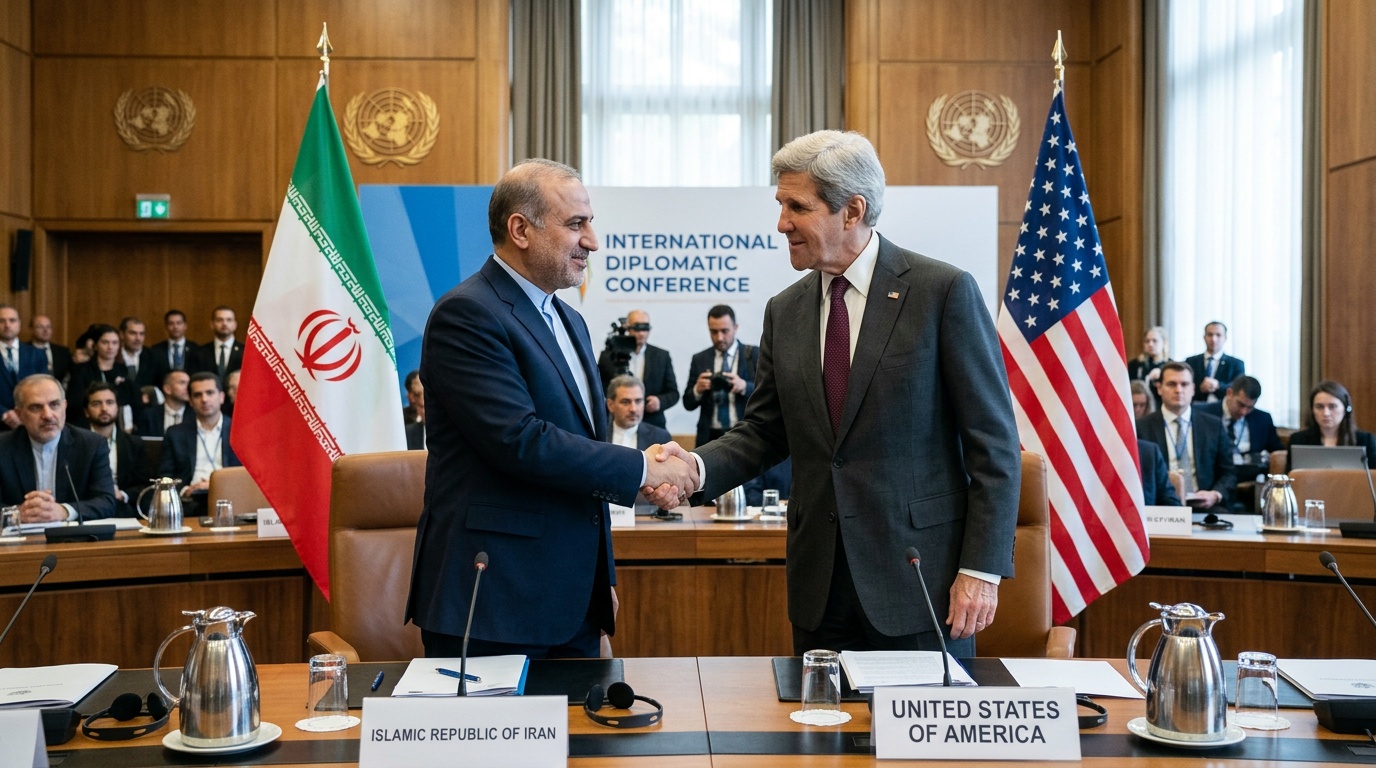
Washington, DC — The United States and Iran announced a landmark ceasefire agreement on Sunday, June 15, 2026, with both governments confirming they would sign a memorandum of understanding (MOU) ending weeks of military hostilities that had sent shockwaves through global energy markets and the broader Middle East region. The announcement, hailed as a major diplomatic breakthrough by US President Donald Trump and his allies, came after intense back-channel negotiations — though the specific terms of the deal remain largely undisclosed.
The deal, described as the first formal step toward a comprehensive agreement, was celebrated by Republican lawmakers and members of the Trump administration. However, senior Democrats and foreign policy analysts have called for greater transparency, raising concerns about what commitments were actually made — particularly on the question of Iran’s nuclear programme and its strategic control of the Strait of Hormuz.
What Is the US-Iran Memorandum of Understanding?
A memorandum of understanding is a formal agreement between two parties that outlines the framework for future negotiations or actions. It is not a legally binding treaty but signals a shared commitment to a process. In this case, the US-Iran MOU is understood to represent a ceasefire framework — halting active military operations while negotiators work toward a more permanent resolution.
According to statements from US Secretary of State Marco Rubio and Vice President JD Vance, the agreement marks the beginning of “a new era for the Middle East.” Rubio connected the announcement to President Trump’s 80th birthday, calling it a symbol of Trump’s “incredible courage” and “unmatched love of country.” Vance, meanwhile, touted falling oil prices in the immediate aftermath as evidence of the deal’s economic significance, arguing that the agreement creates “real space to transform that region.”
However, US officials have not yet confirmed whether Iran’s nuclear programme — long considered the central issue in US-Iran tensions — has been formally addressed in the MOU. Critics argue that a deal without clear commitments on nuclear enrichment would represent a significant gap in the agreement.
Background: How Did the US-Israel War on Iran Begin?
The conflict that led to this ceasefire began in early 2026, when Israeli military operations against Iranian assets in Lebanon and Syria escalated into a broader confrontation involving the United States. US forces were drawn into the conflict following a series of Iranian strikes on American military installations in the Gulf region.
The war severely disrupted global oil markets. Iran’s ability to threaten the Strait of Hormuz — the narrow waterway through which approximately 20 percent of the world’s oil supply passes — gave Tehran significant leverage in the negotiations. At various points during the conflict, oil prices spiked dramatically, triggering fears of a broader global economic downturn.
Weeks of intensive diplomacy followed, reportedly facilitated in part by Omani intermediaries and Gulf states seeking to de-escalate the confrontation. The announcement on June 14–15 marked the first public acknowledgement that both sides had reached a preliminary framework for ending hostilities.
Democrats and Allies React: Calls for Clarity
While Republican lawmakers and commentators flooded social media with praise for what they called Trump’s “deal-making genius,” the response from Democrats and US allies was notably more cautious. Several senior Democratic senators issued statements calling for the full terms of the MOU to be disclosed to Congress before any formal signing ceremony.
“The American people deserve to know what commitments have been made on their behalf,” said one senior Democratic senator. “A memorandum of understanding is not a peace treaty. We need to see the details — specifically on nuclear enrichment, sanctions relief, and the status of the Strait of Hormuz.”
Analysts also pointed to the unresolved question of Israeli operations in Lebanon. Reports suggested that a series of Israeli strikes on Beirut in the days preceding the announcement nearly derailed the talks, with Trump himself reportedly telling Israeli Prime Minister Benjamin Netanyahu that the strikes were “unjustified” and risked undermining the deal.
What Happens Next: Key Issues Still to Be Resolved
Despite the celebratory tone from the Trump administration, multiple critical issues remain unresolved and will need to be addressed in follow-on negotiations:
- Iran’s Nuclear Programme: Whether Iran has agreed to any new limitations on uranium enrichment is currently unclear. The 2015 Joint Comprehensive Plan of Action (JCPOA), which Trump abandoned during his first term, remains a reference point — but whether any new deal will go further is unknown.
- Strait of Hormuz: Trump announced that the Strait of Hormuz would be “reopening,” but it remains to be seen whether Iran will formally agree to guarantee passage in a permanent arrangement.
- Sanctions Relief: Iran has consistently demanded the lifting of US economic sanctions as part of any deal. Whether the MOU includes a roadmap for sanctions relief has not been confirmed.
- Israeli Operations: Israel’s ongoing military operations in Lebanon, Syria, and Gaza remain a wild card. Any future escalation by Israel could threaten the fragile ceasefire.
- Iran’s Regional Proxies: The status of Iranian-backed armed groups across the region — including Hezbollah in Lebanon and the Houthis in Yemen — will need to be addressed in any comprehensive agreement.
Foreign policy experts have warned that an MOU without binding commitments on these core issues could collapse quickly if either side feels the terms are being violated. “History shows that framework agreements in the Middle East are fragile,” said one analyst. “The devil is always in the details, and right now we don’t have the details.”
Global Reaction: Oil Markets, G7, and the World Cup
The announcement came amid a busy week on the global stage. World leaders were gathering in Geneva for the G7 Summit 2026, where the US-Iran situation was expected to dominate the agenda. Anti-G7 protests erupted in Geneva on the eve of the summit, with demonstrators raising concerns about Western foreign policy in the Middle East.
Oil prices fell sharply following the ceasefire announcement, offering some relief to global markets that had been rattled by weeks of conflict. Energy analysts cautioned, however, that prices could rebound quickly if the MOU fails to translate into a durable agreement.
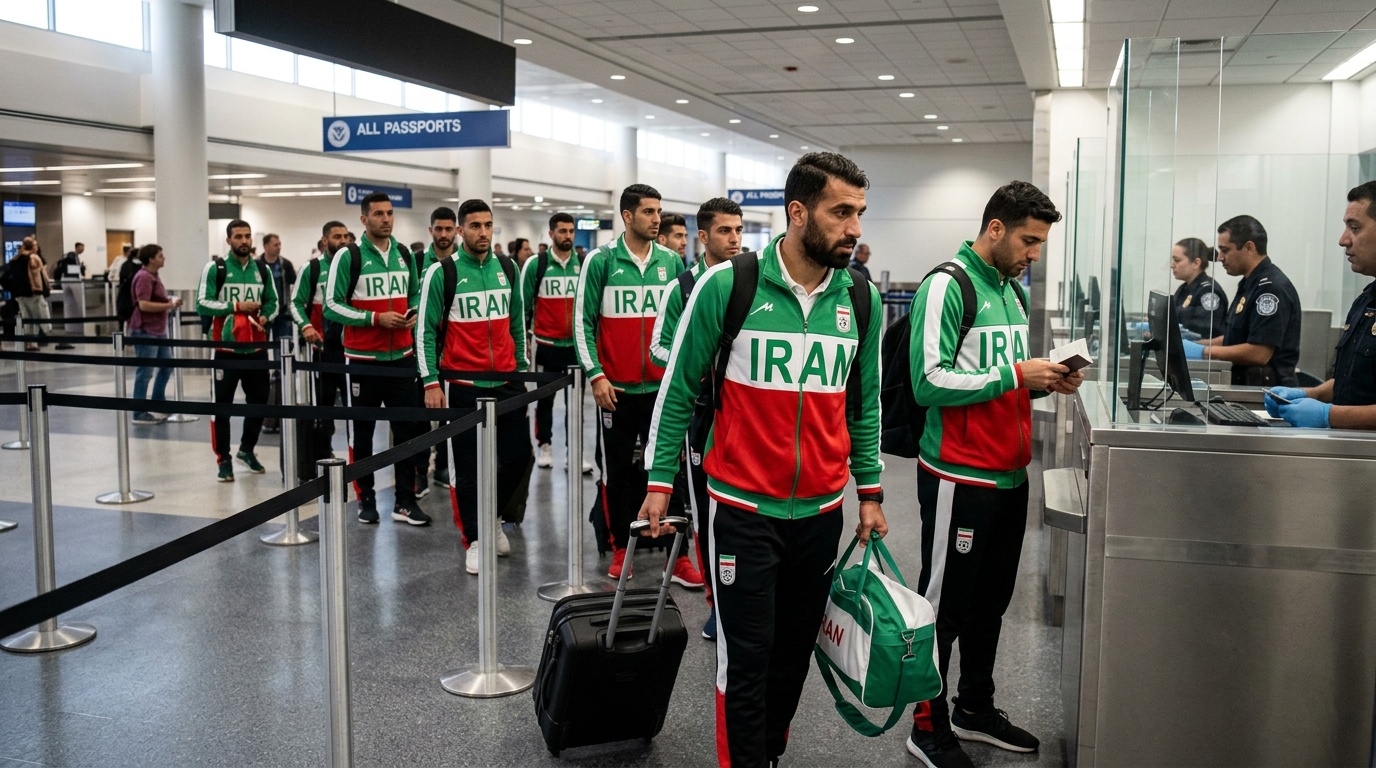
Meanwhile, the announcement added a layer of complexity to the 2026 FIFA World Cup, being held in the United States. Iranian players and coaching staff reported difficulties upon arrival in the US, with team officials publicly decrying what they described as hostile treatment by American immigration authorities — a sign that tensions between the two countries remain far from resolved on the ground.
The coming days will be critical. The formal signing of the MOU is expected to take place on Friday, June 19. Whether that ceremony will mark the beginning of a genuine and lasting peace — or merely a temporary pause in a long-running conflict — remains to be seen.